History
New Farm Loch in the Past!
Taking a step back in time to explore the history of our community starting with what was here before the New Farm Loch Estate as we know it today!
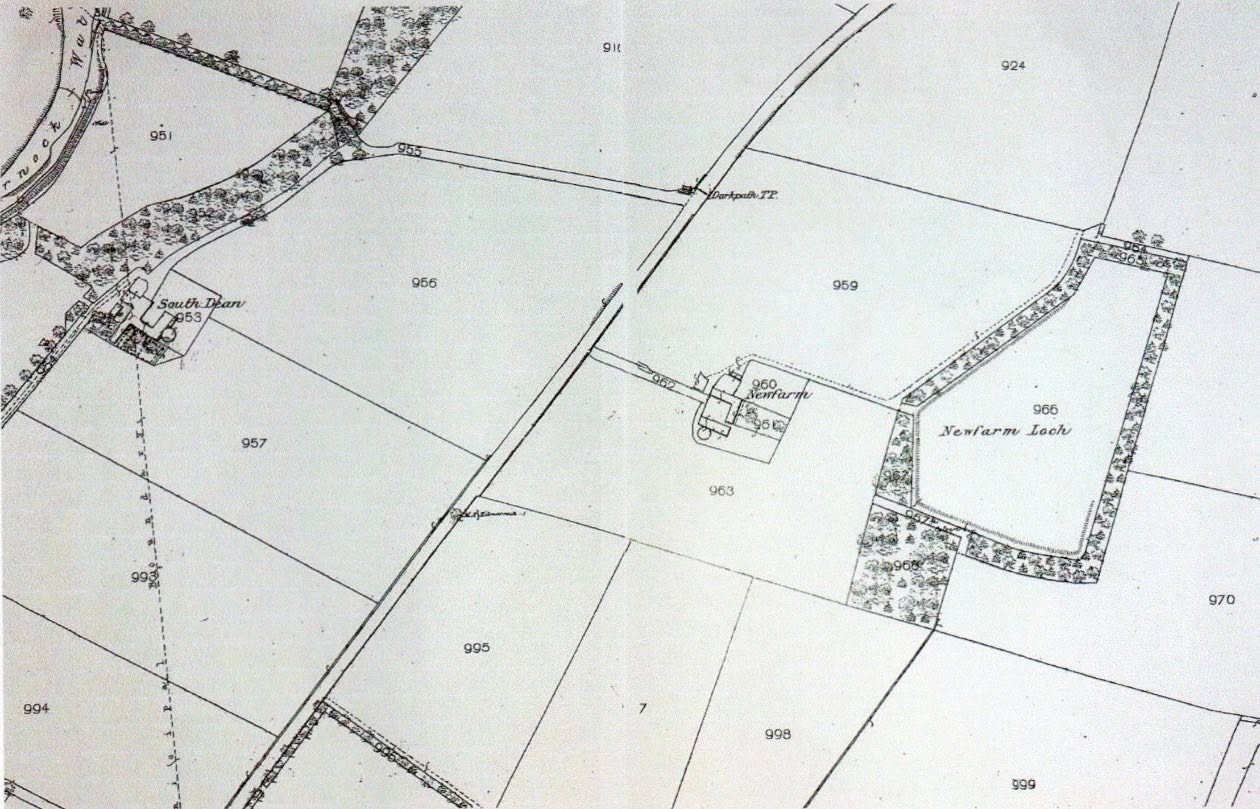
Did you know that New Farm Loch was once made up entirely of working farmland?
The area was home to several farms, including:
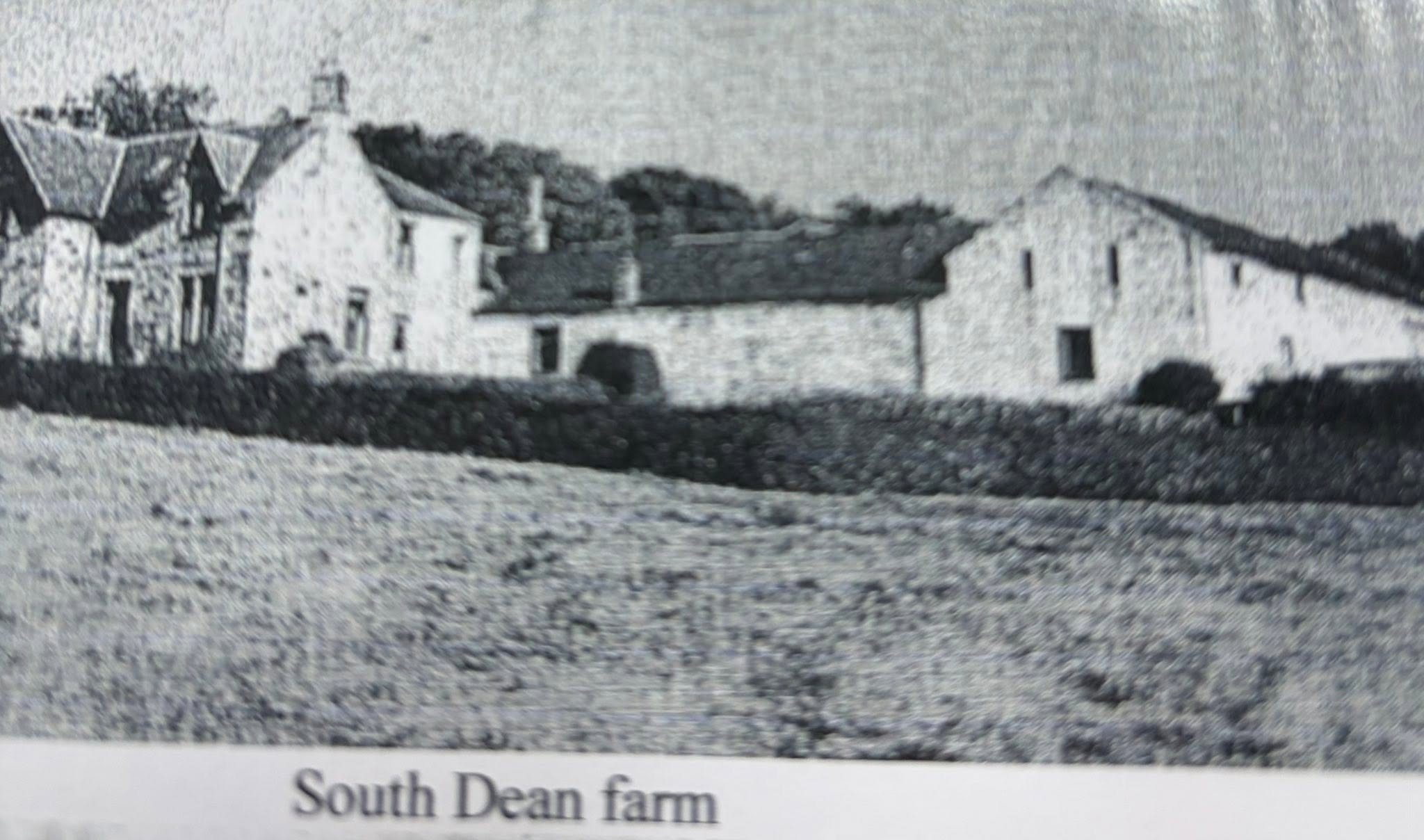
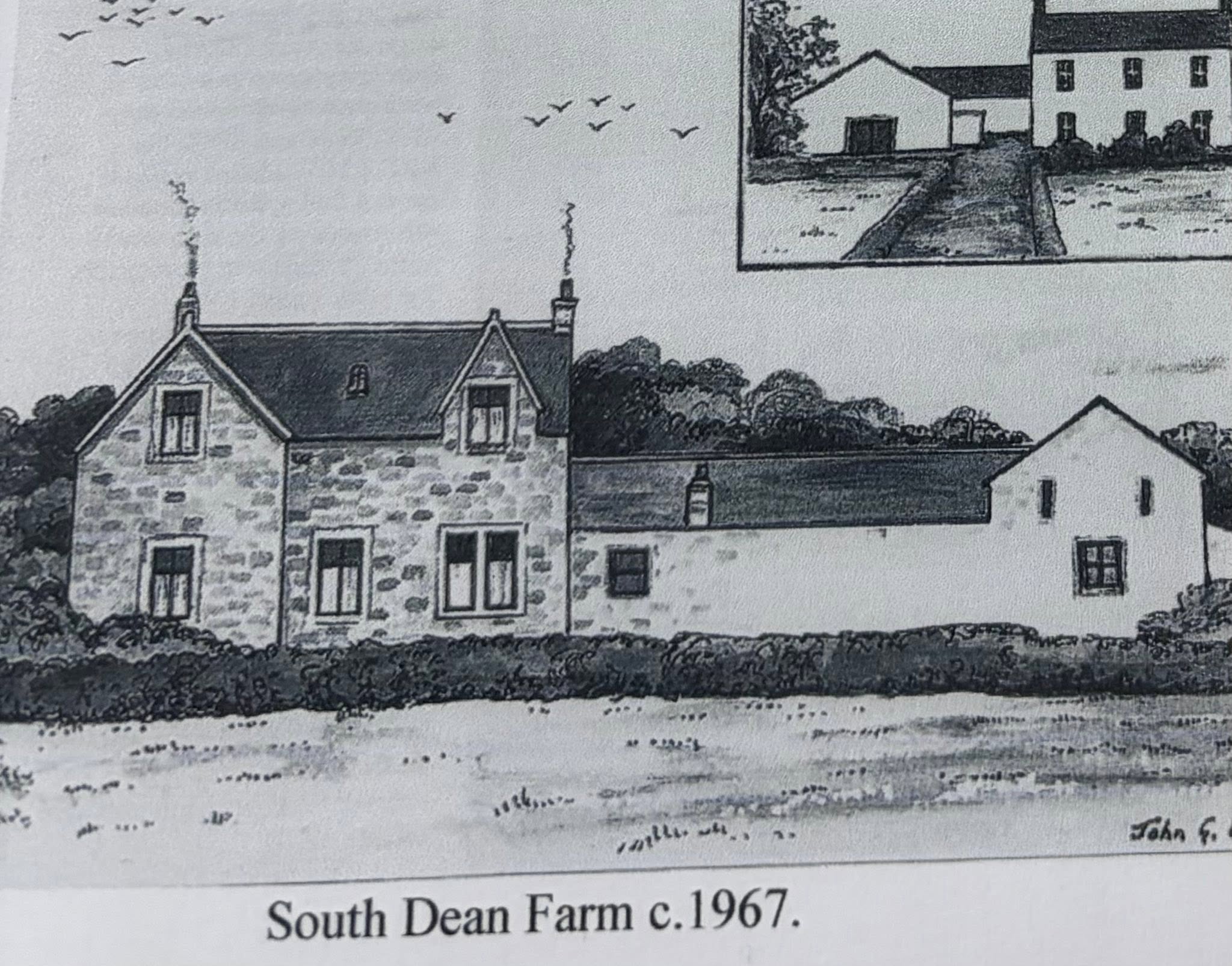
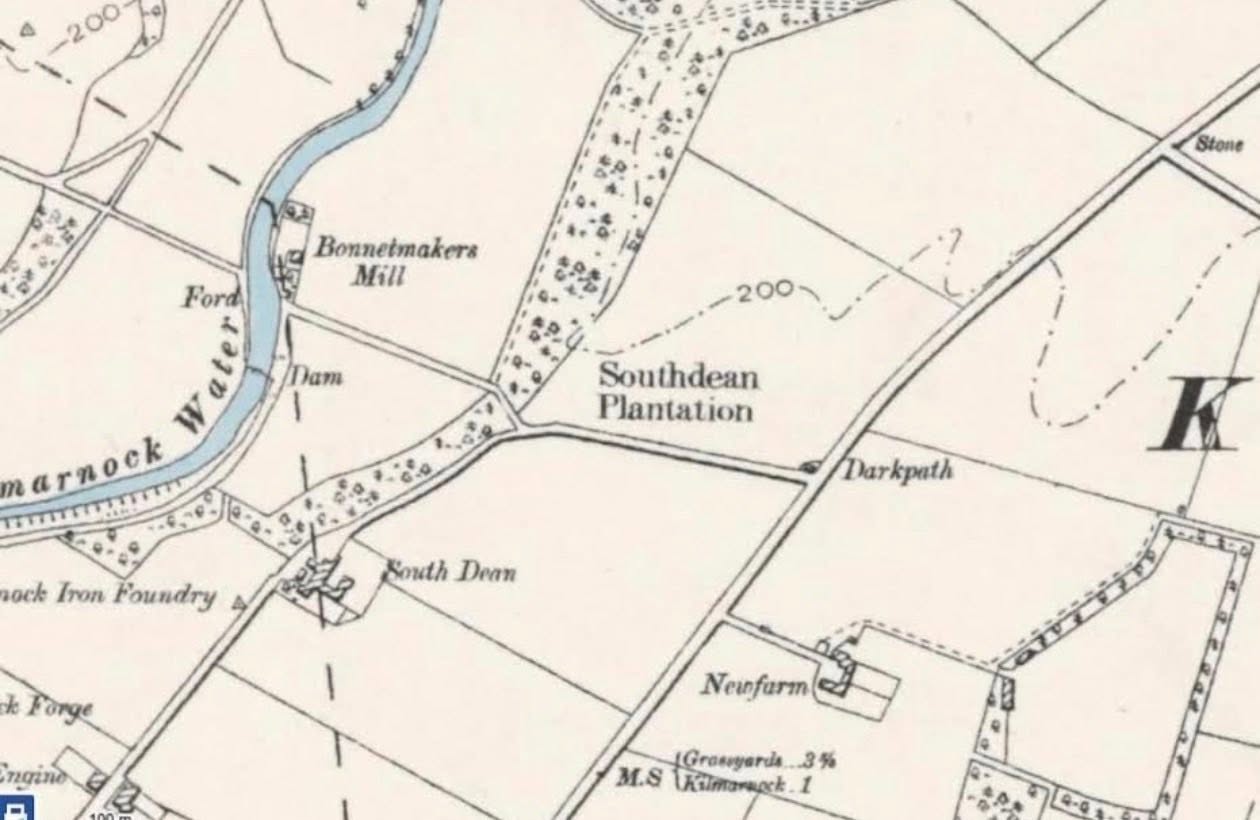
• South Dean Farm (Farm Site: South Dean Farm was situated along what is now South Dean Road.
Part of the Dean Estate: The farm was originally part of the wider lands belonging to the Dean Castle Estate, which was the stronghold of the Boyd family for over 400 years.
Landscape: The name "Dean" refers to a wooded valley, and the farm sat near the South dean Plantation, an area of ancient woodland noted on Ordnance Survey maps as far back as 1856.
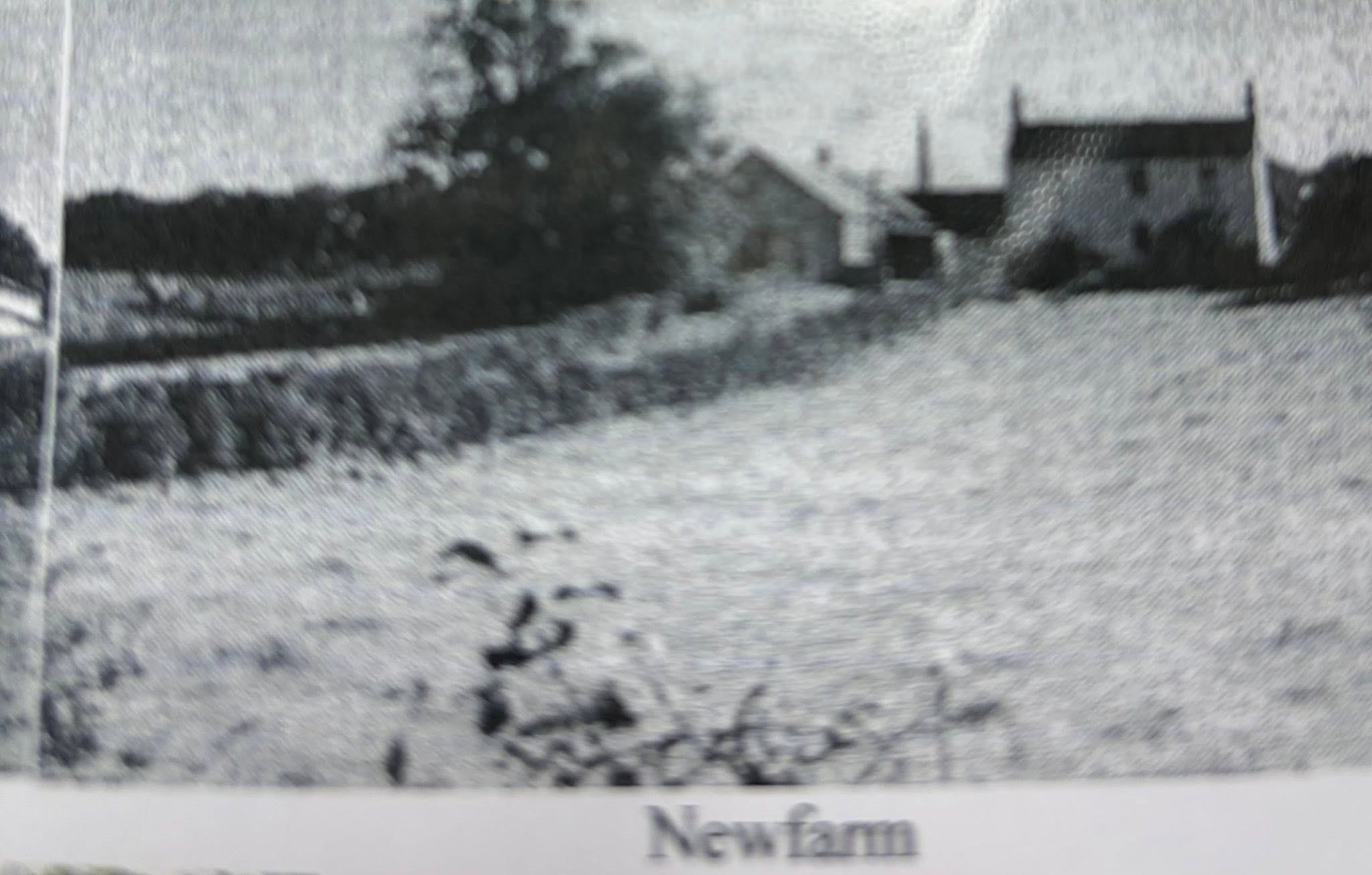
• New Farm (which replaced Old Farm around the 1840’s)
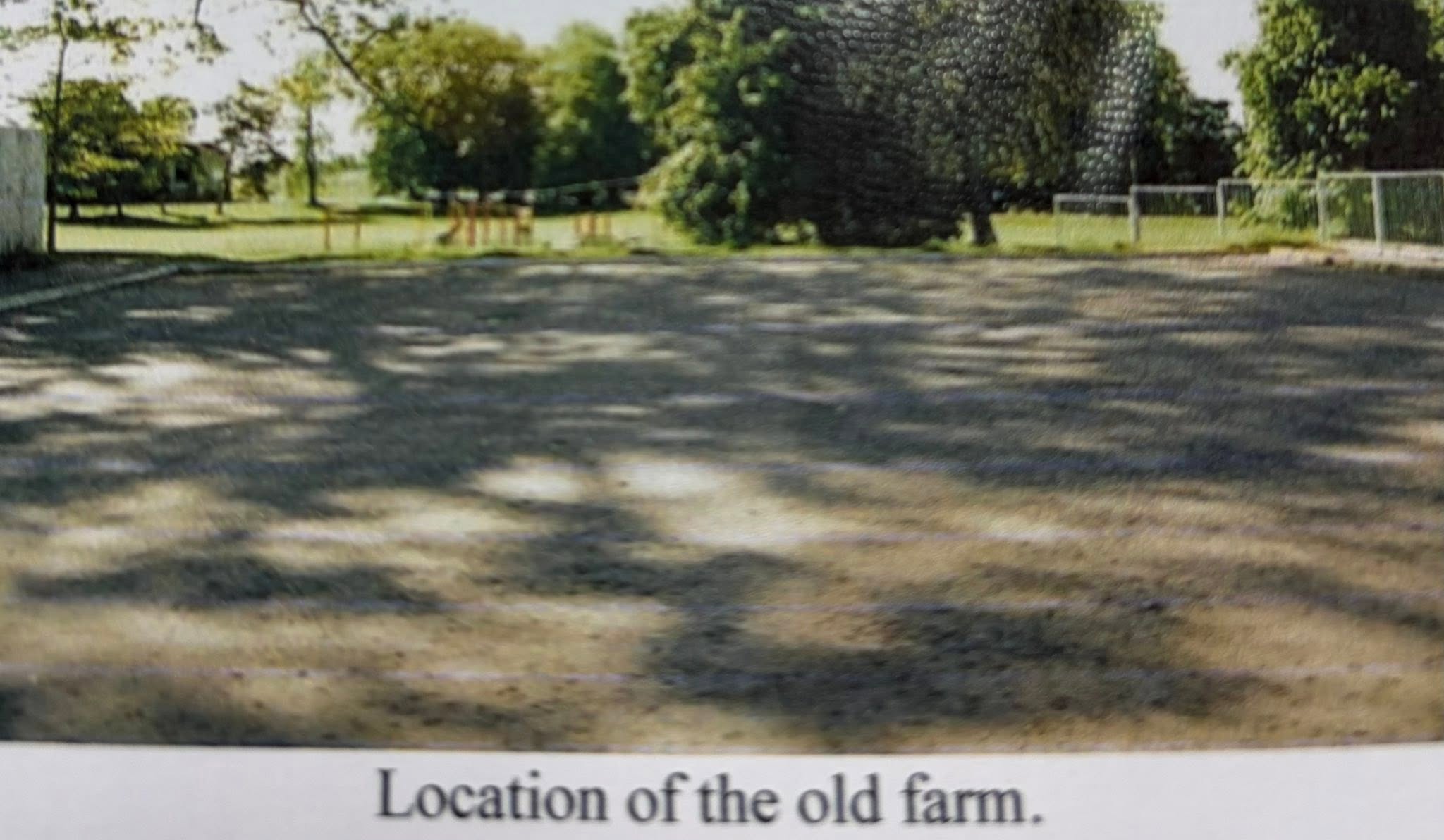
(Location: New Farm was a working farm - It stood approximately one field's distance from what later became the New Farm Loch.
Land Use: In the mid-1800s, the land was prone to seasonal flooding from the Hillhouse Burn
• Holehouse Farm (The farm was situated near the top of what is now McNaughton Drive, influencing the name of Holehouse Road. It was surrounded by agricultural land, which remained largely rural from at least the mid-eighteenth century onwards
• Whinpark Farm (Feudal Beginnings: Like much of the land in the Kilmarnock parish, Whinpark was originally part of the vast estates granted to the Boyd family (Lords of Kilmarnock) in the 14th century.
Duke of Portland's Estate: By the 19th century, the farm fell under the ownership of the Duke of Portland, one of the region's major landowners who oversaw significant agricultural and industrial improvements in Ayrshire.
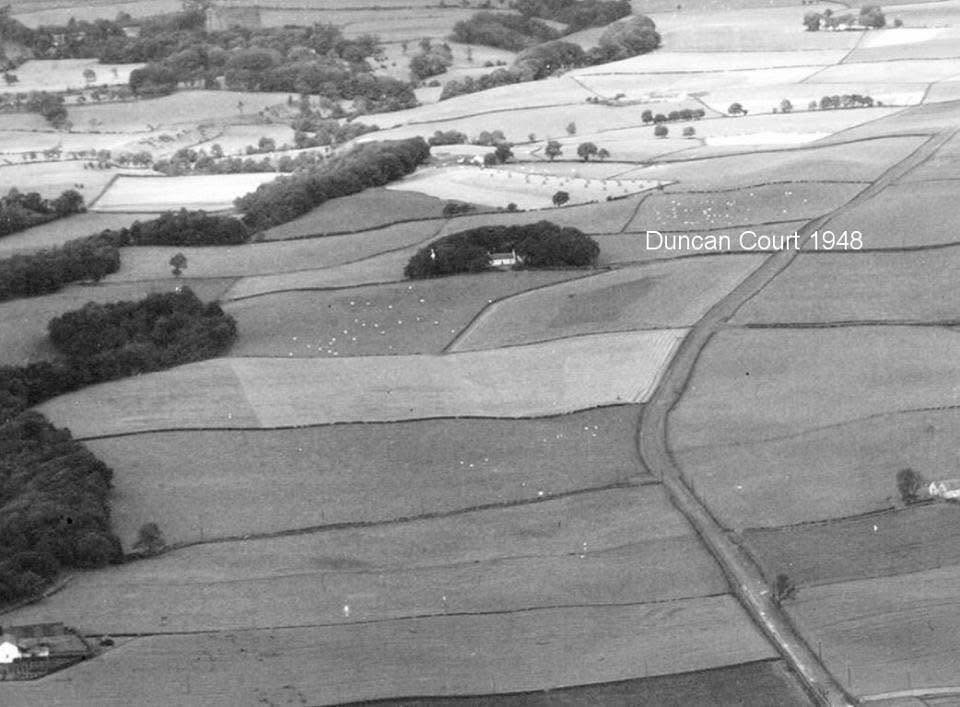
• West Wardlaw Farm (situated close to Sinclair Court) - Survival Amidst Expansion: During the late 1960s and 1970s, the construction of the New Farm Loch housing estate saw the demolition of South Dean Farm and New Farm. However, West Wardlaw Farm (along with Whinpark Farm) survived this development, remaining on the north-eastern fringe of the town right up until the mid-1960s, this area was all farmland – a very different landscape from the one we see now!
It’s amazing to think how much our community has grown and changed over the years.


New Farm Loch in the Past - The Loch
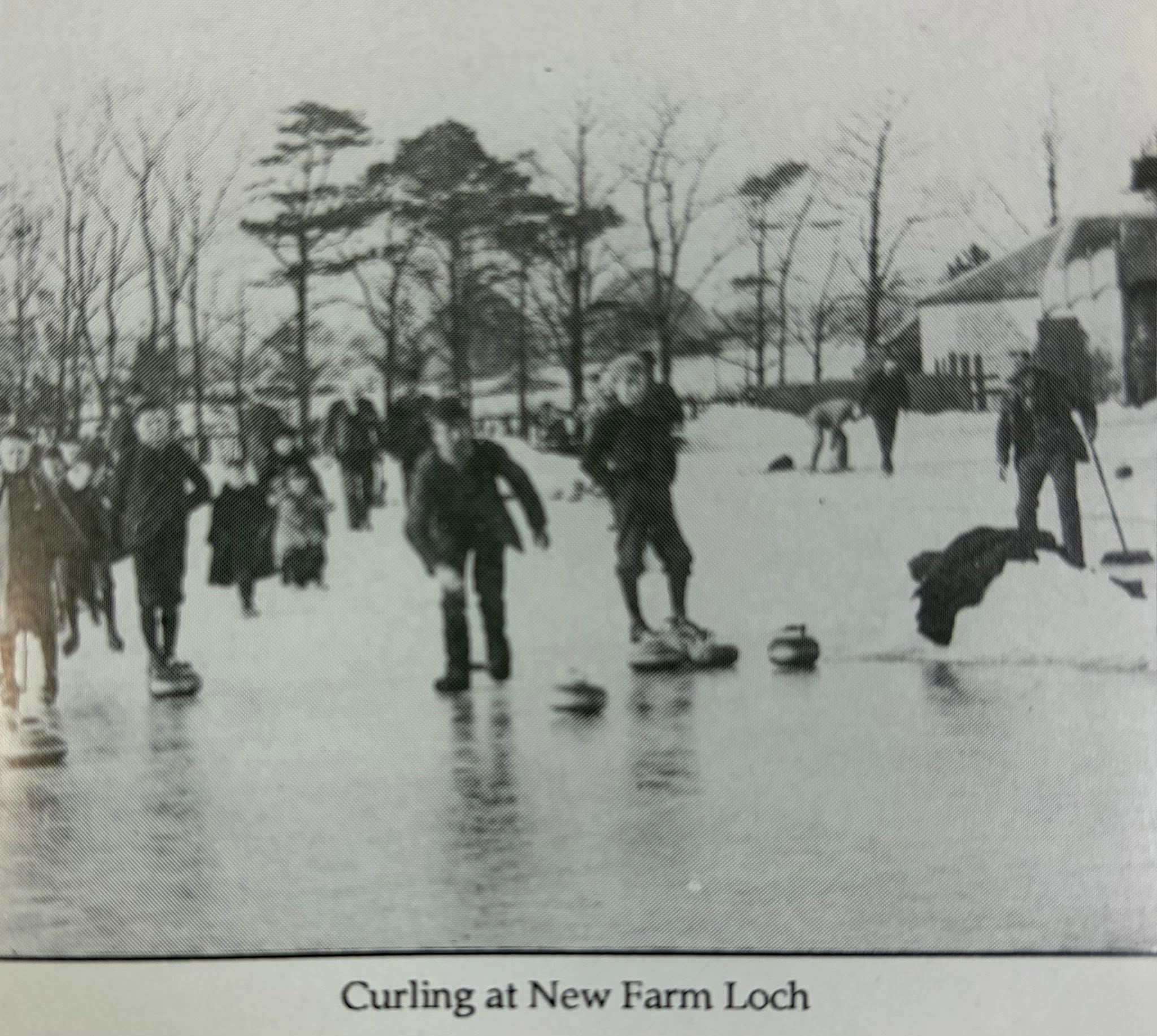
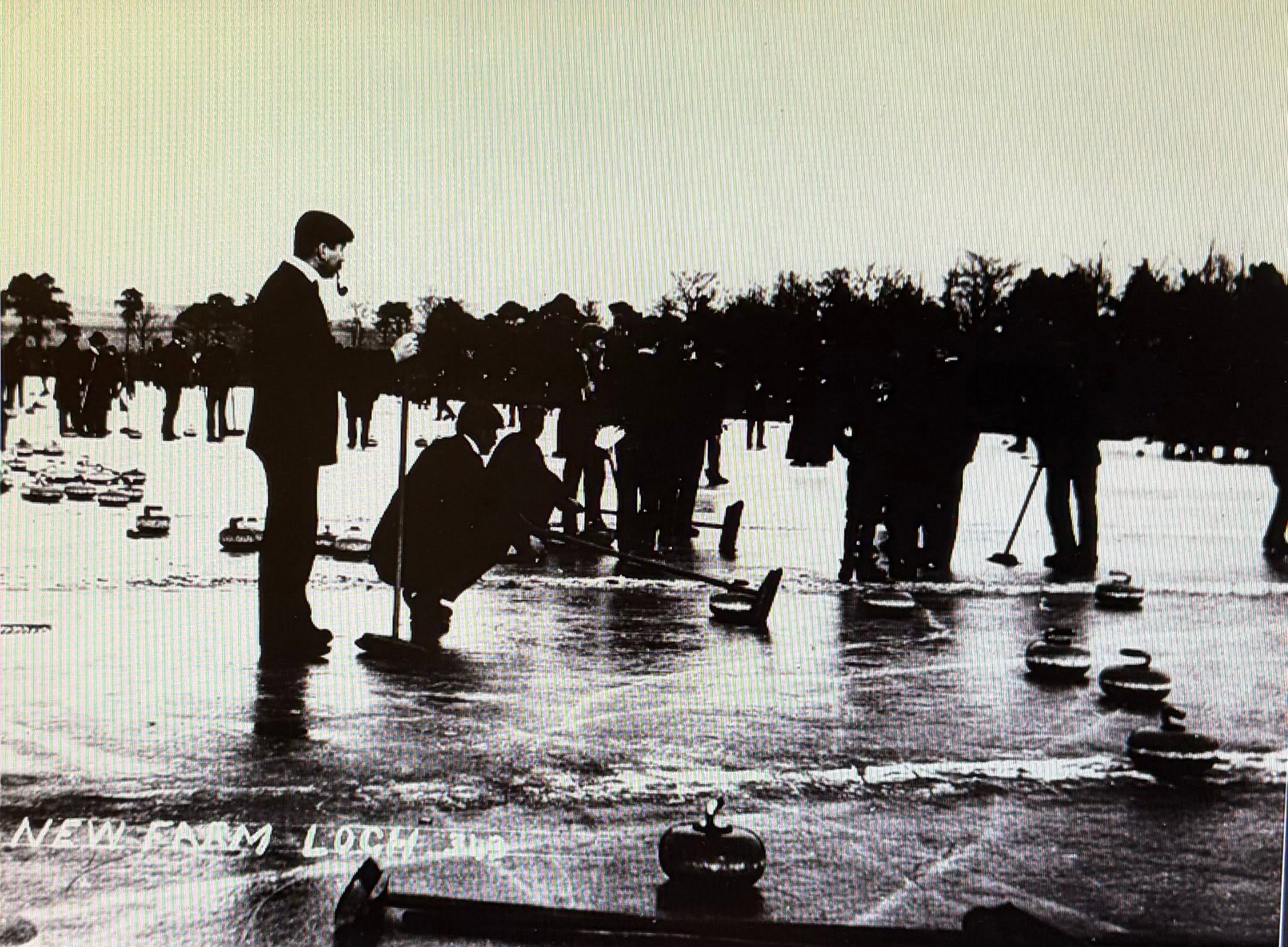
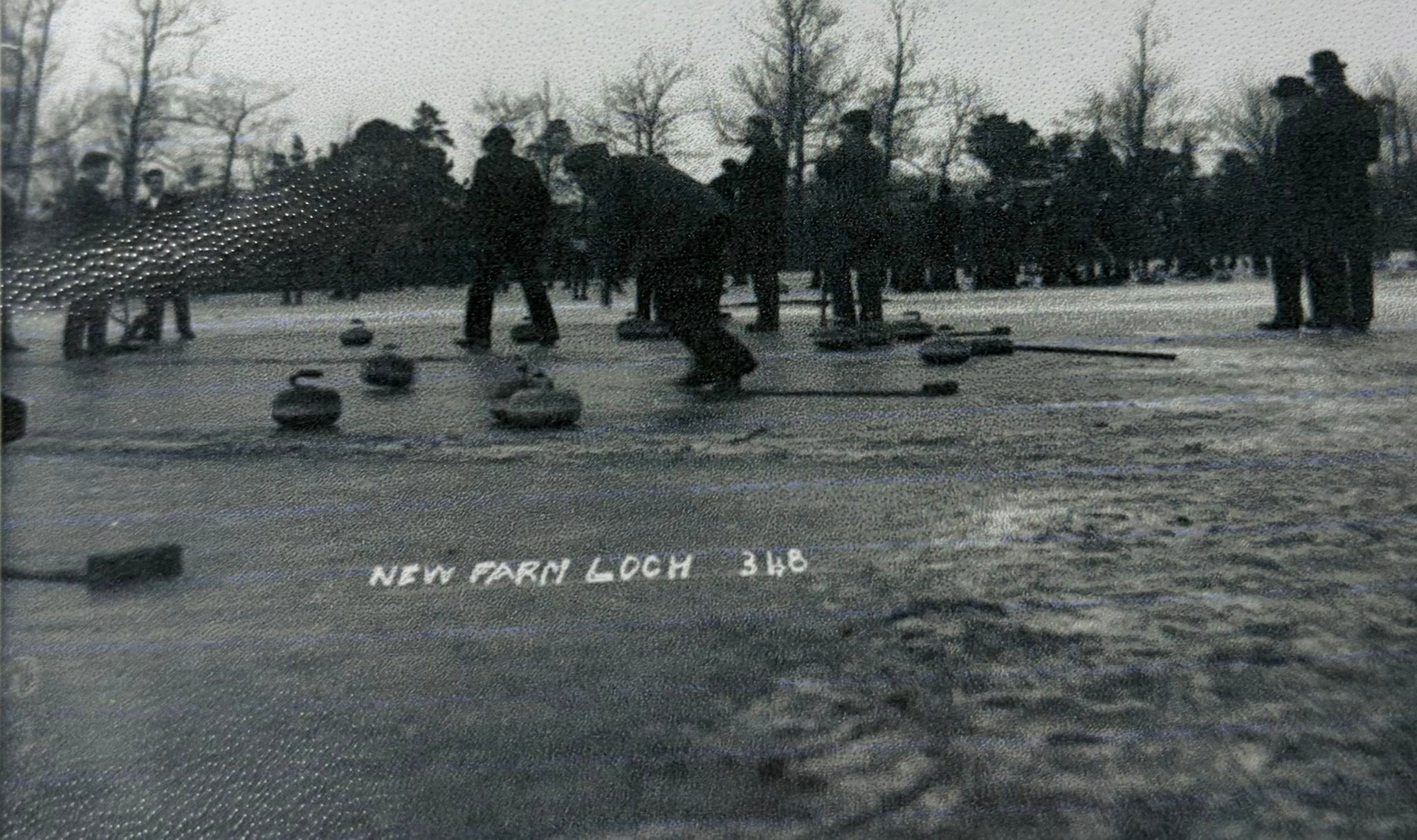
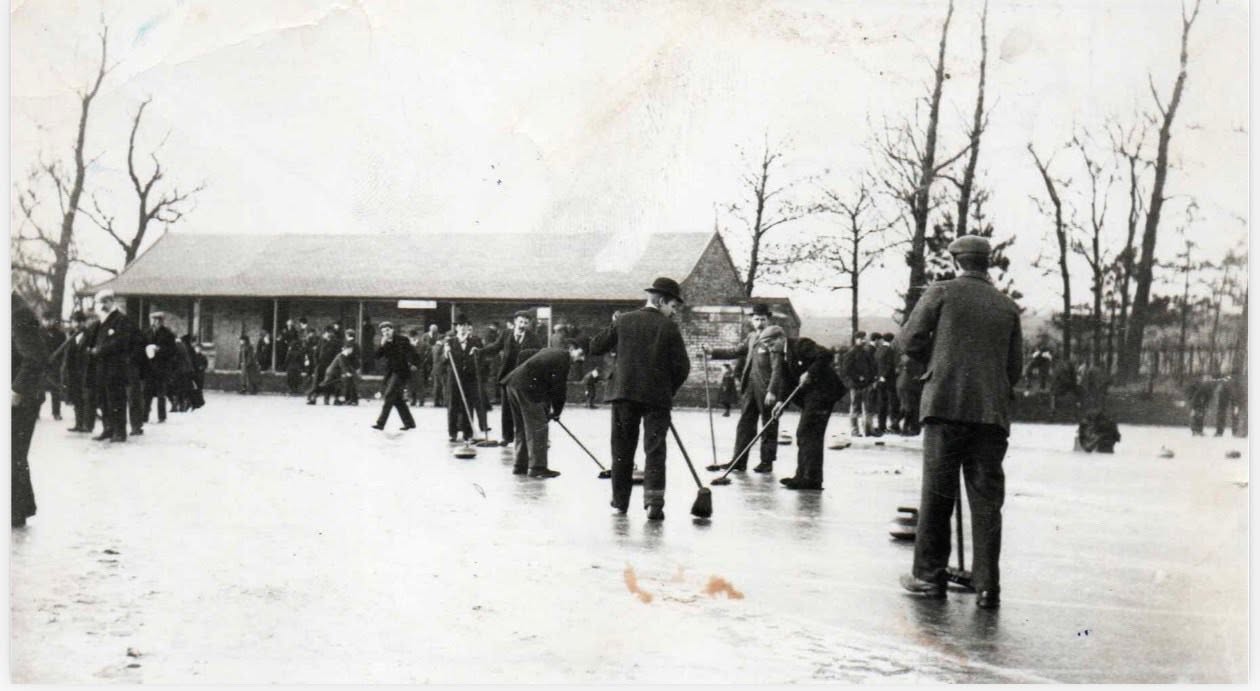
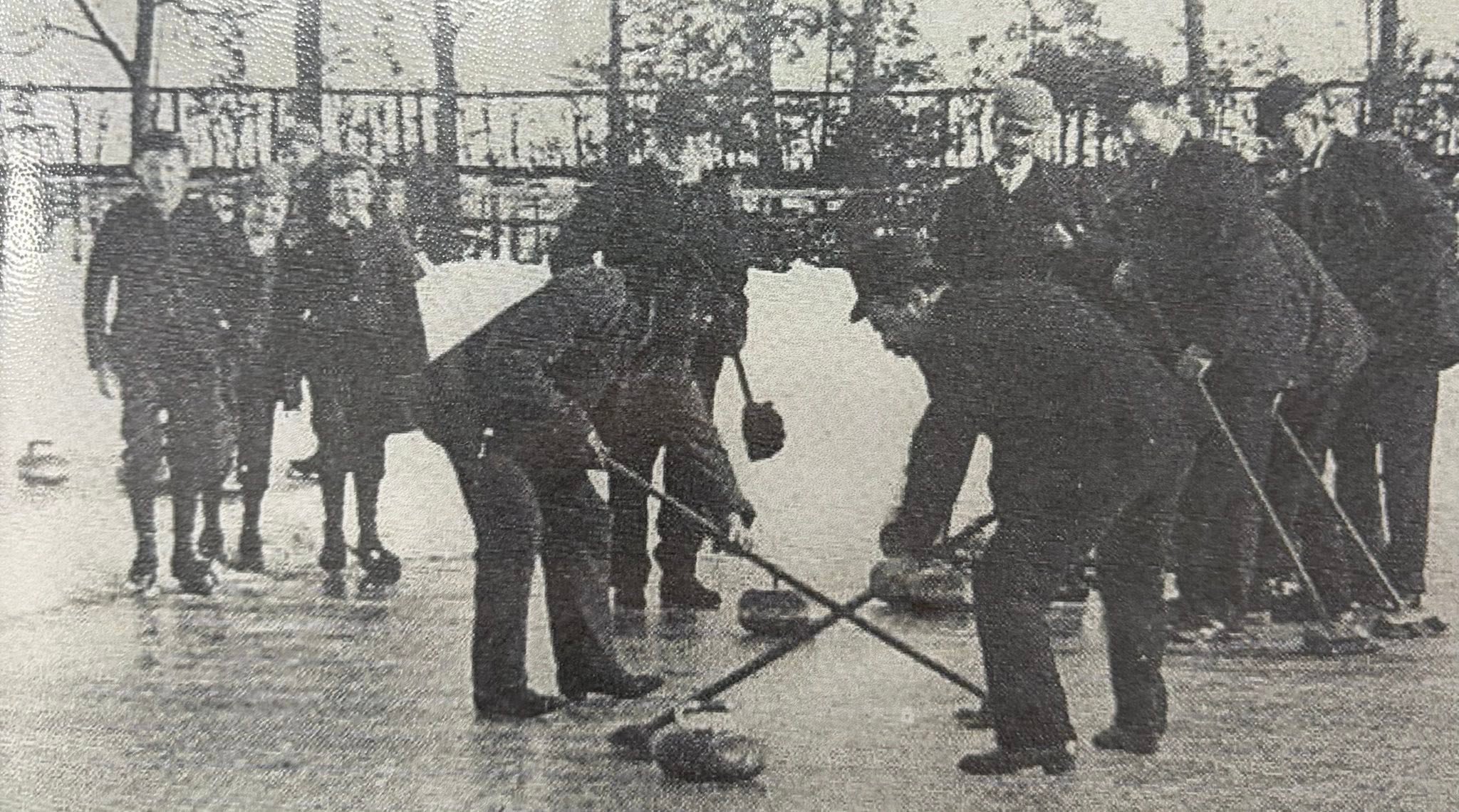
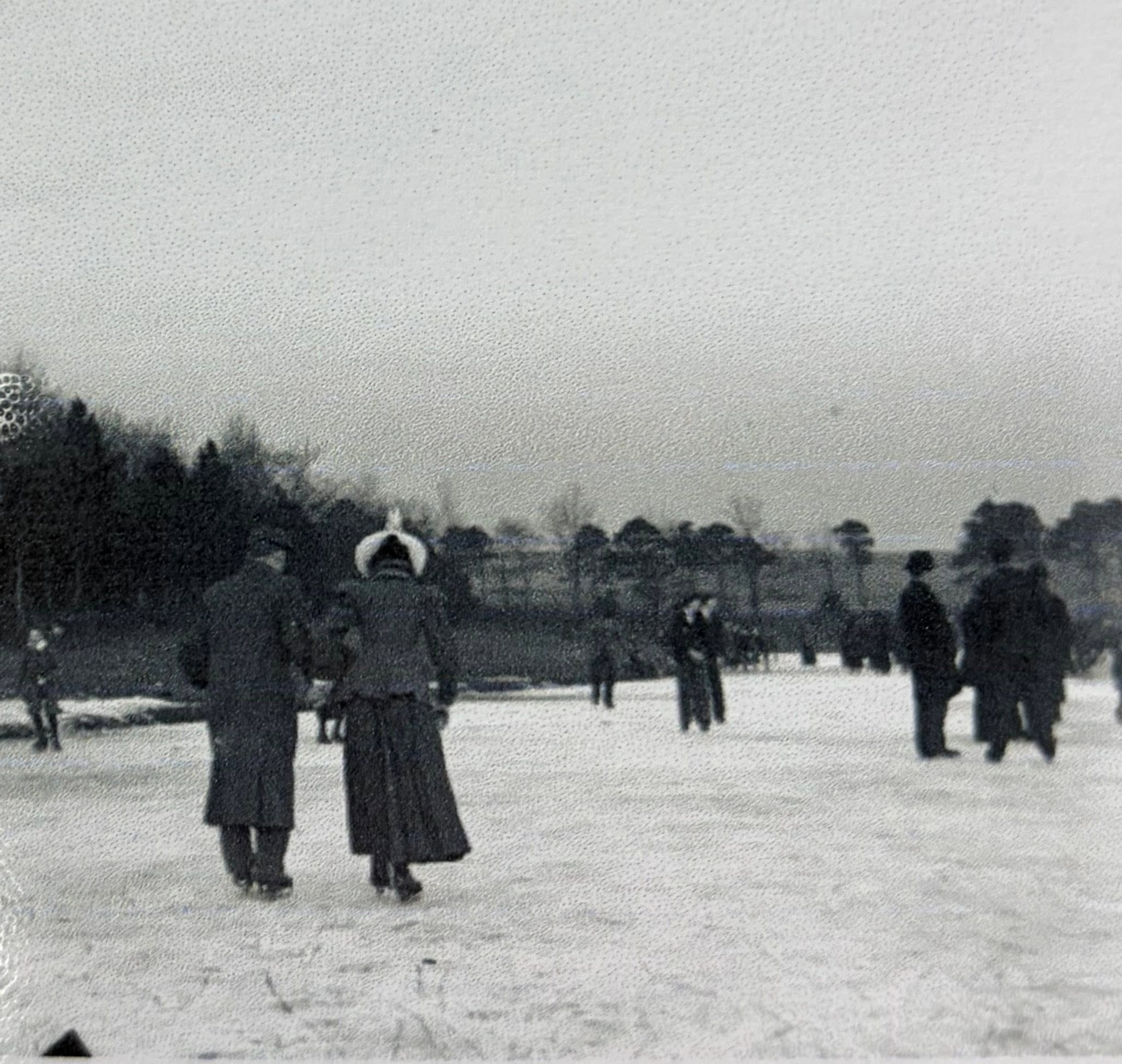
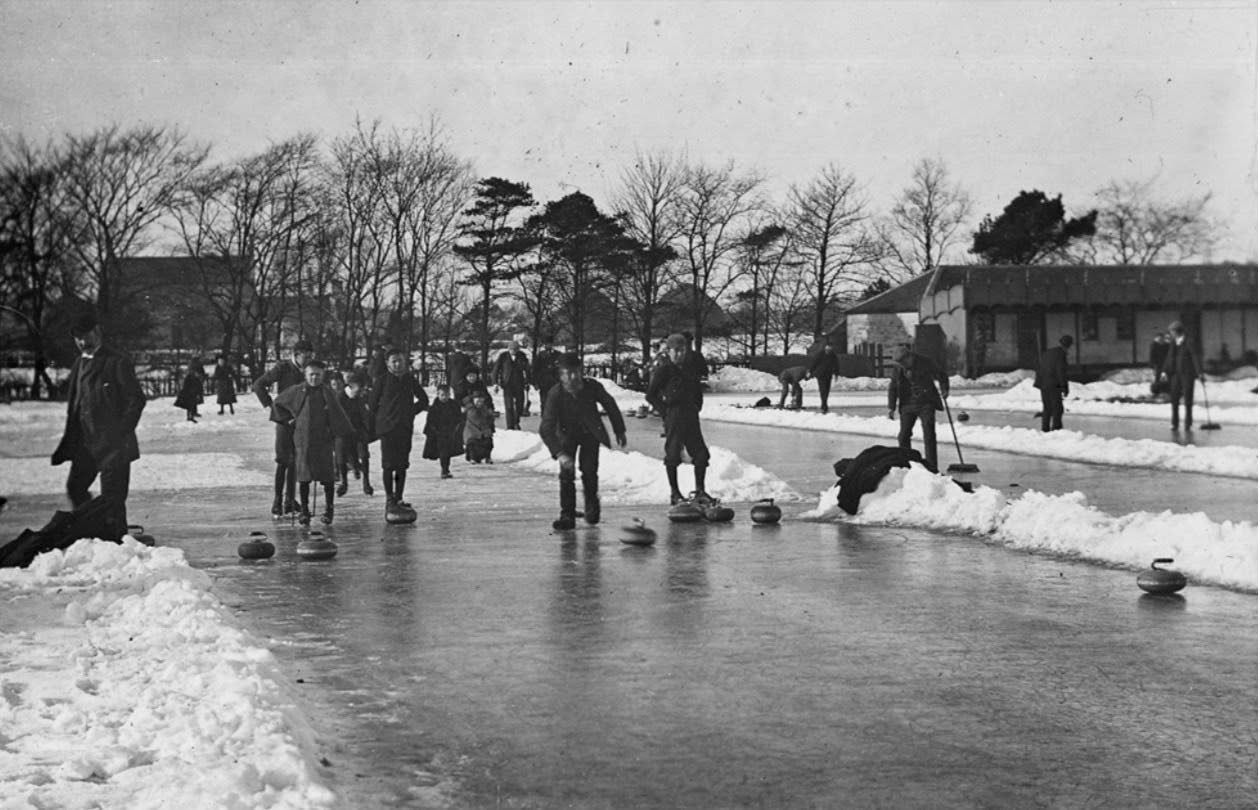
Taking a look at the very feature that gave our community its name, the loch itself, right here in New Farm Loch (Loch Tuathanais Ùr). Before the housing estate we know today existed, the area was home to a mostly artificial loch, created way back in 1845. It was formed through cooperation between the Duke of Portland’s factor and local curling clubs, making use of the low-lying land which was prone to seasonal flooding from Hillhouse Burn.
For over 100 years (1845-1957) the loch played an important role in the community becoming a popular spot for curling and ice skating during the colder months. Relatively small and shallow, it would freeze over quickly, bringing people together for recreation and winter fun.
It’s incredible to think that long before the streets and homes, this area was a gathering place centred around the loch a key part of our local history and identity.


New Farm Loch in the Past - The Cemetery
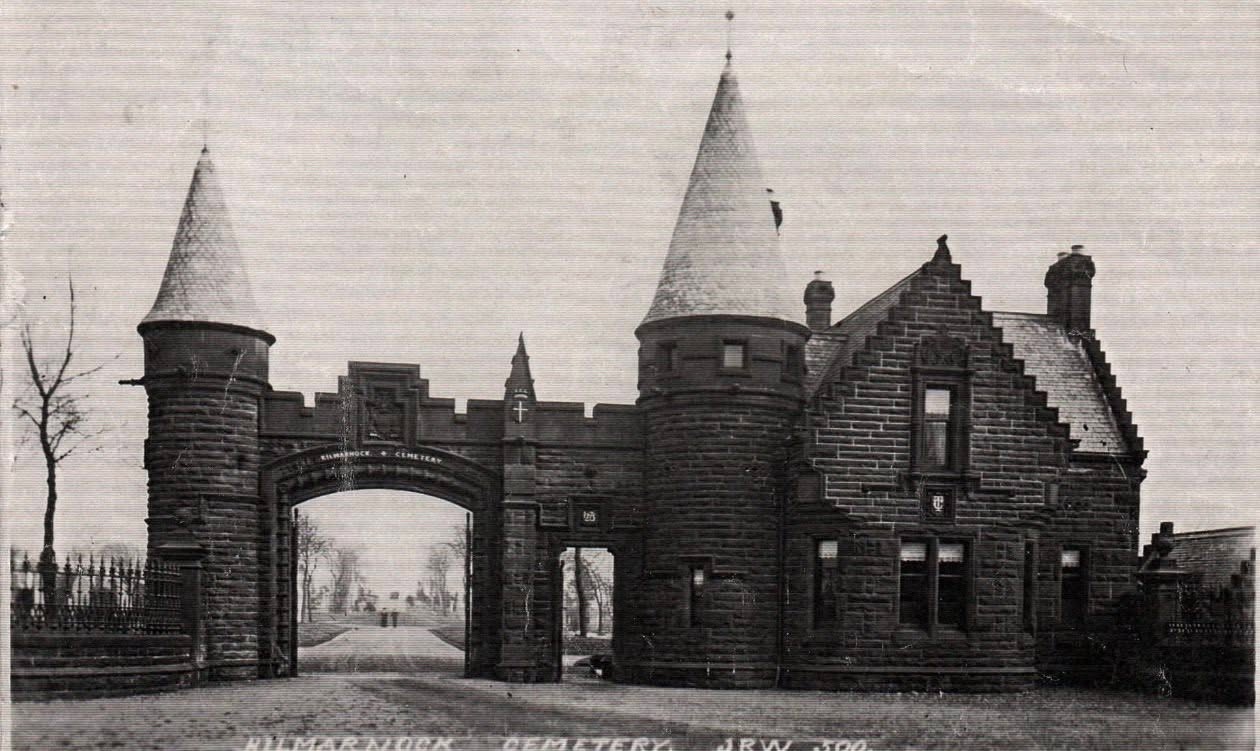
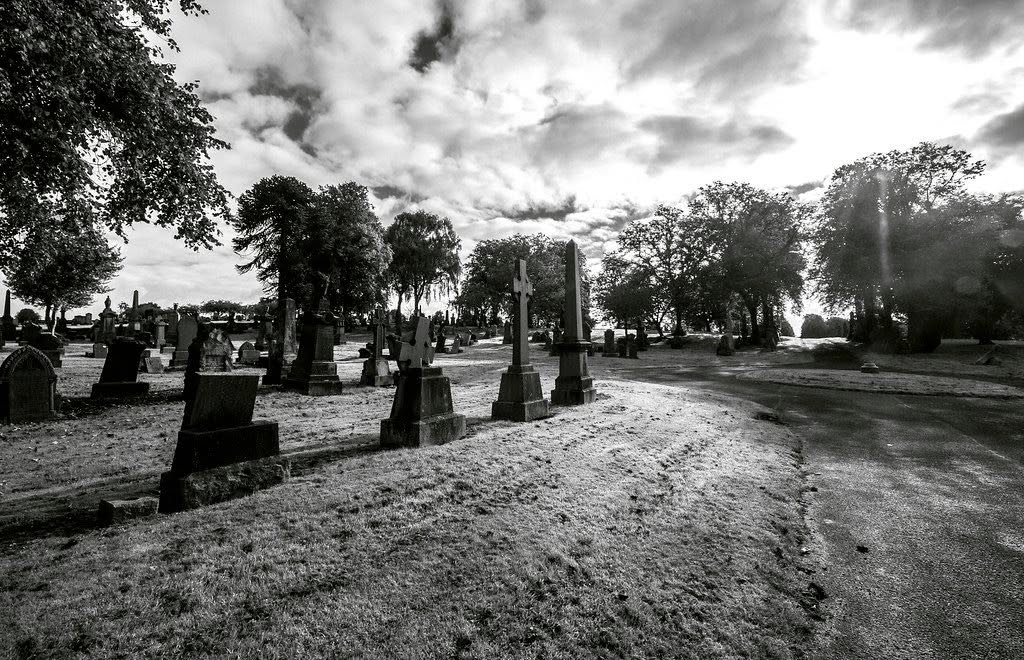
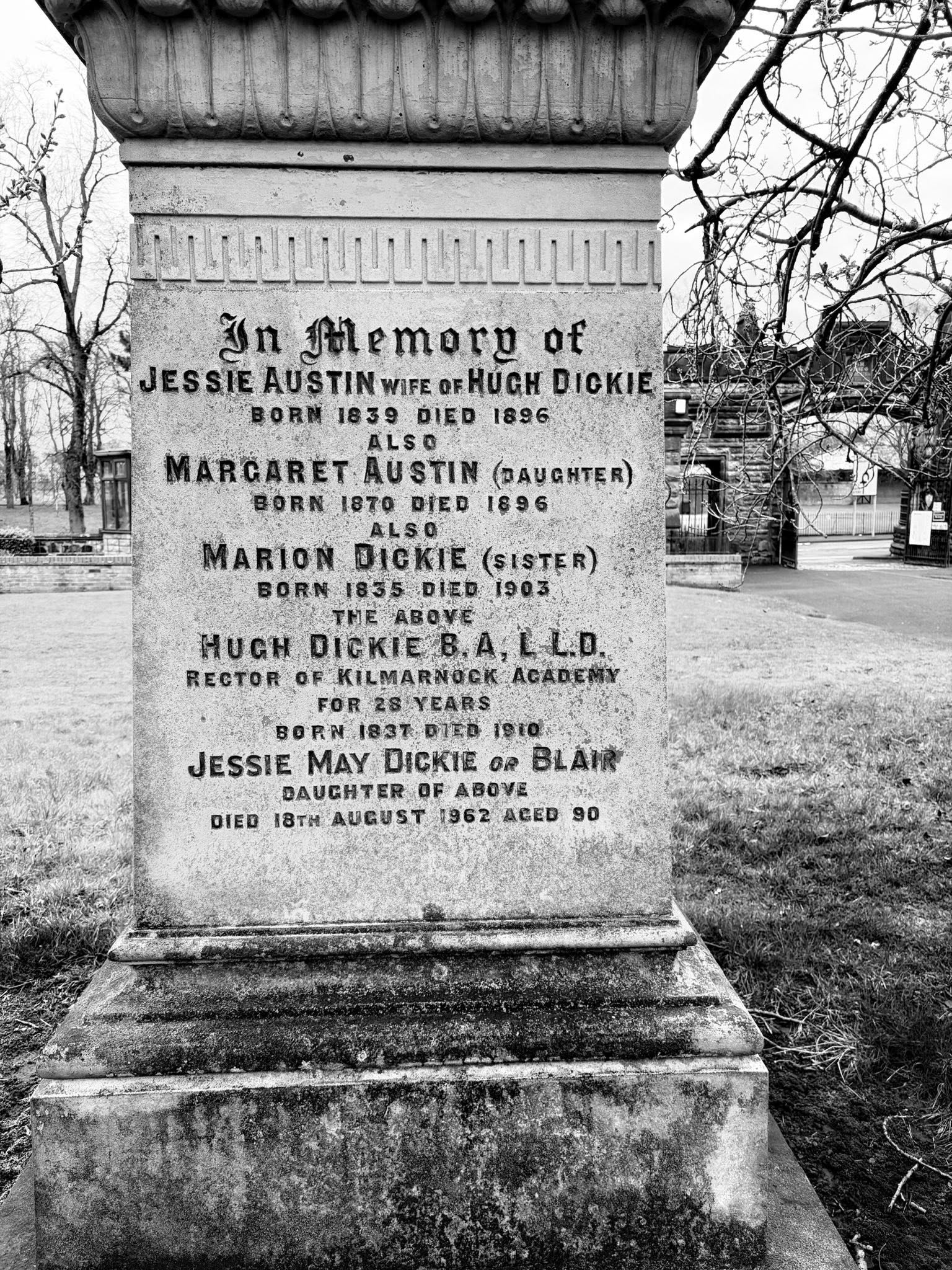
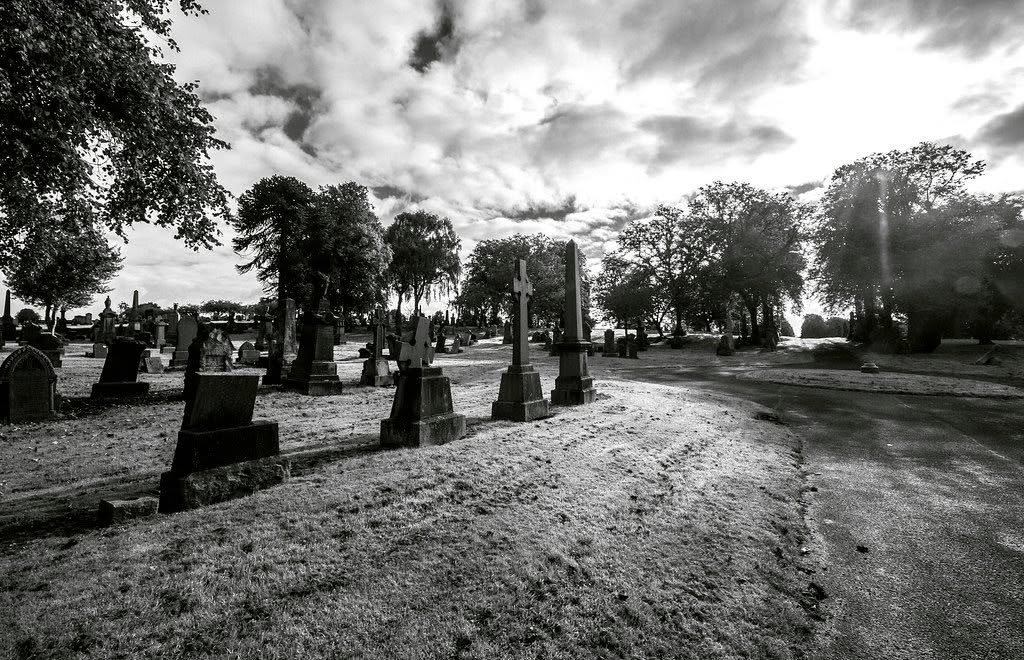
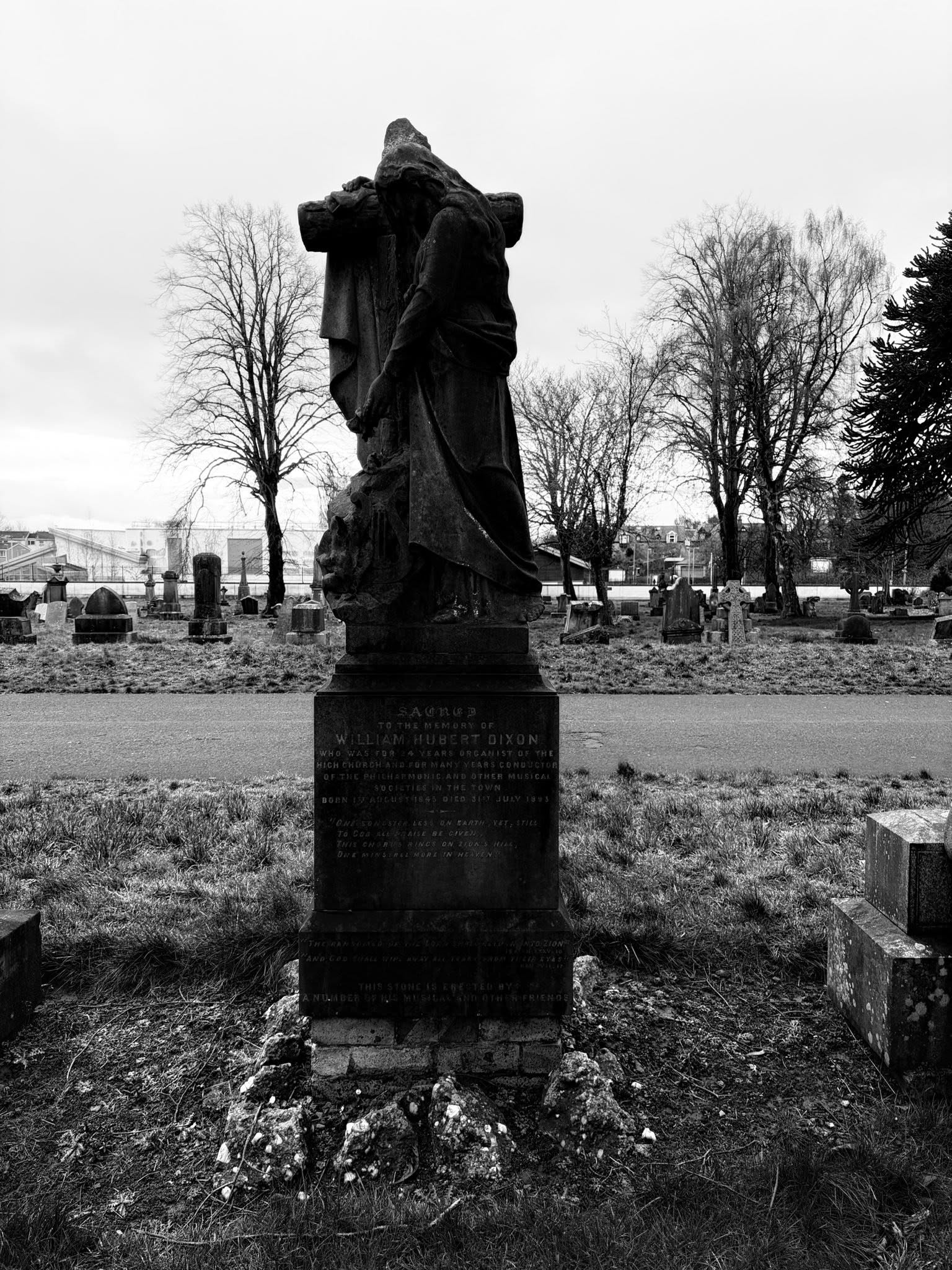
Taking a look at one of the most historic and striking landmarks connected to New Farm, the town cemetery at Grassyards Road in Kilmarnock. Opened in 1875, the cemetery quickly became an important part of the town’s story, with over 2,000 interments recorded within just five years. It’s home to many fascinating memorials, each with its own story to tell about generations past, reflecting both Victorian and Edwardian history.
Among those laid to rest here are 73 identified Commonwealth service members from both World Wars, making it not only a place of local heritage but also one of national remembrance.
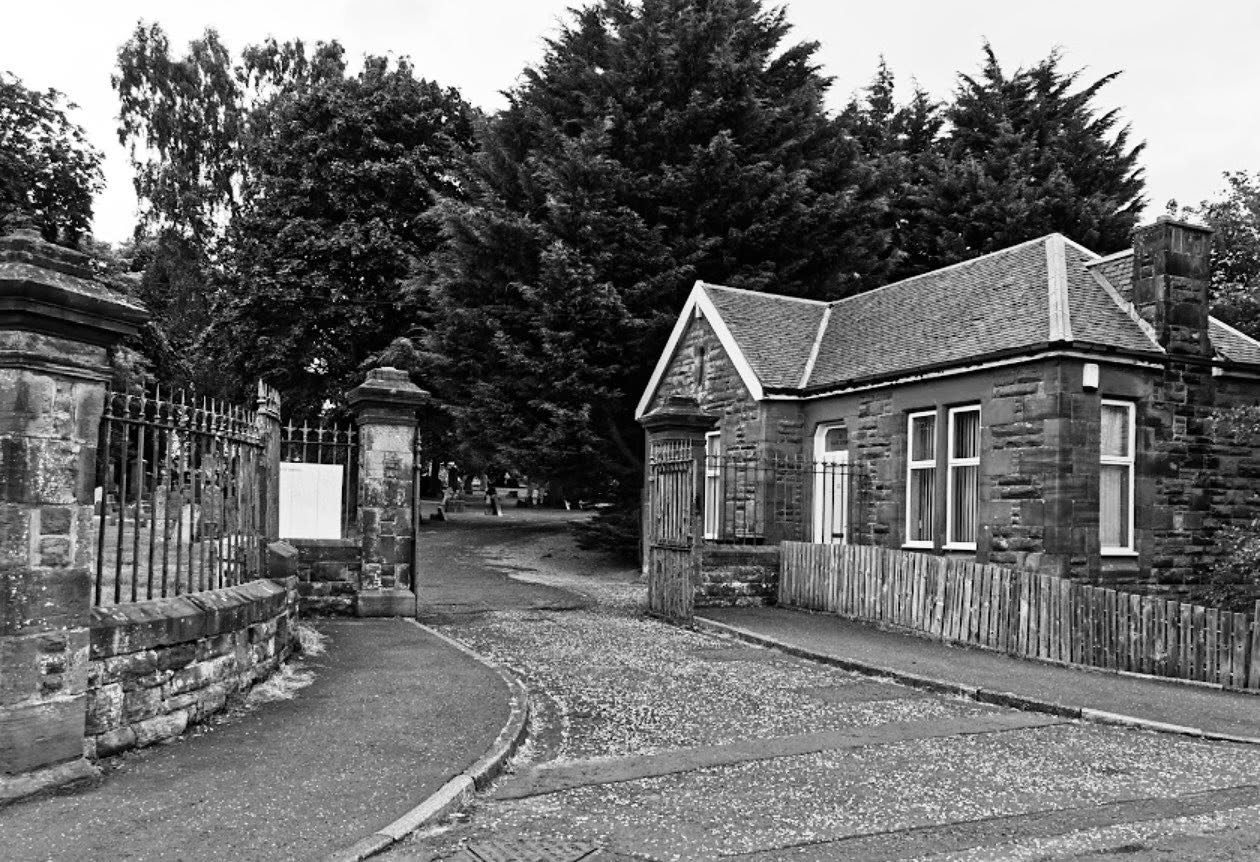
The West Lodge and gateway, built the same year, form the original entrance and what an entrance it is! With its distinctive towers, decorative wrought-iron gates, and the old burgh coat of arms proudly displayed, it’s a beautiful example of historic architecture. Recognised for its significance, the gatehouse was awarded Category B listed status in 1980.
Next time you pass by, take a moment to appreciate the history right on our doorstep a real glimpse into the past of our community.


New Farm Loch in the Past - St. Joseph's Academy
St. Joseph's Academy a place that’s played a huge role in the lives of many in our community.
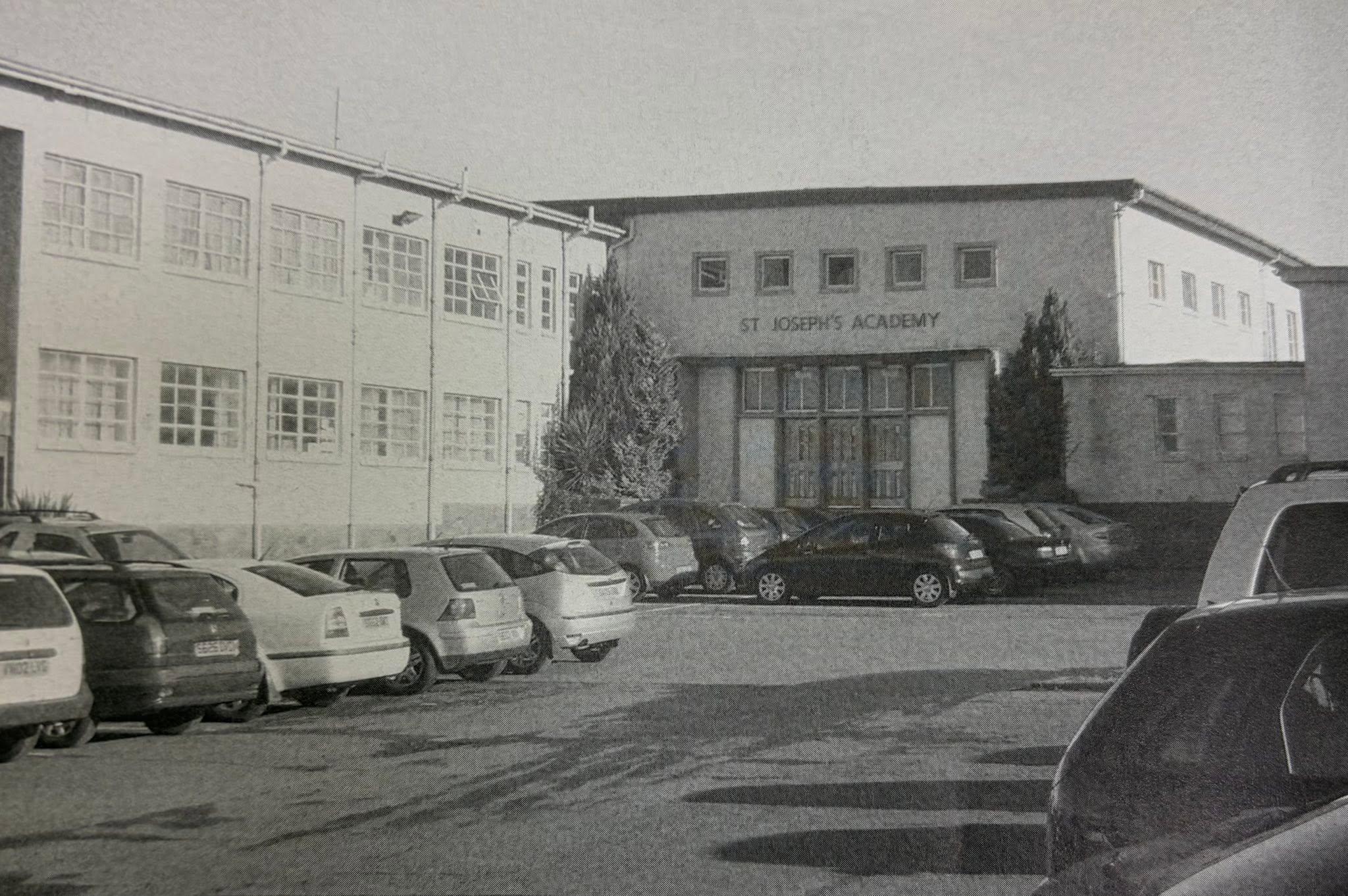
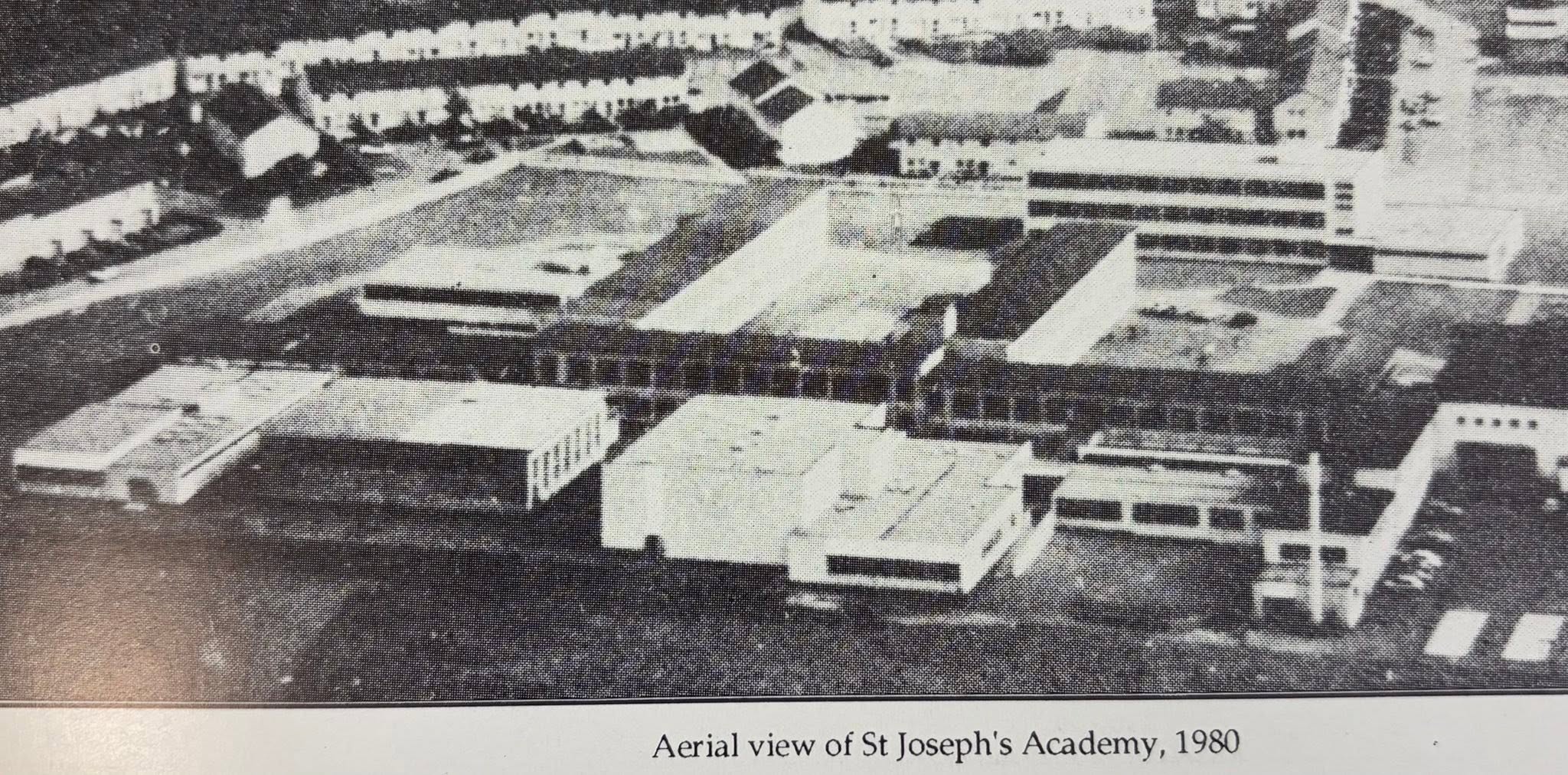
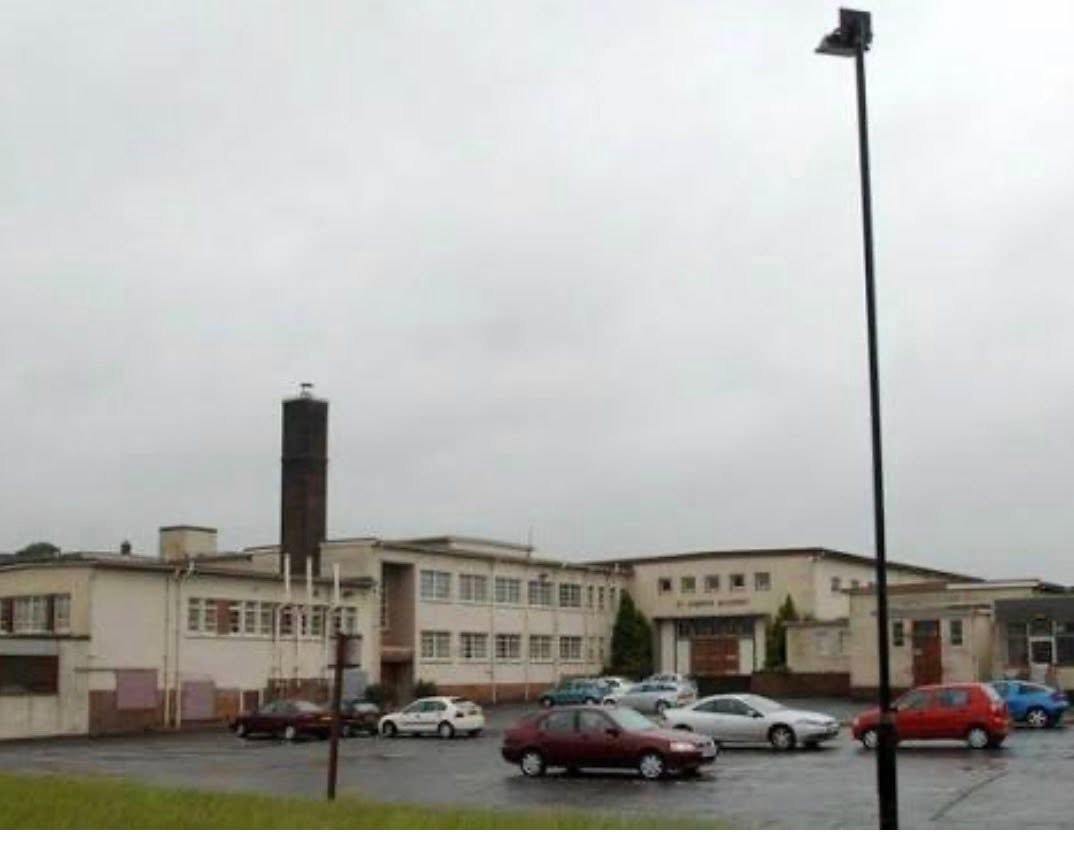
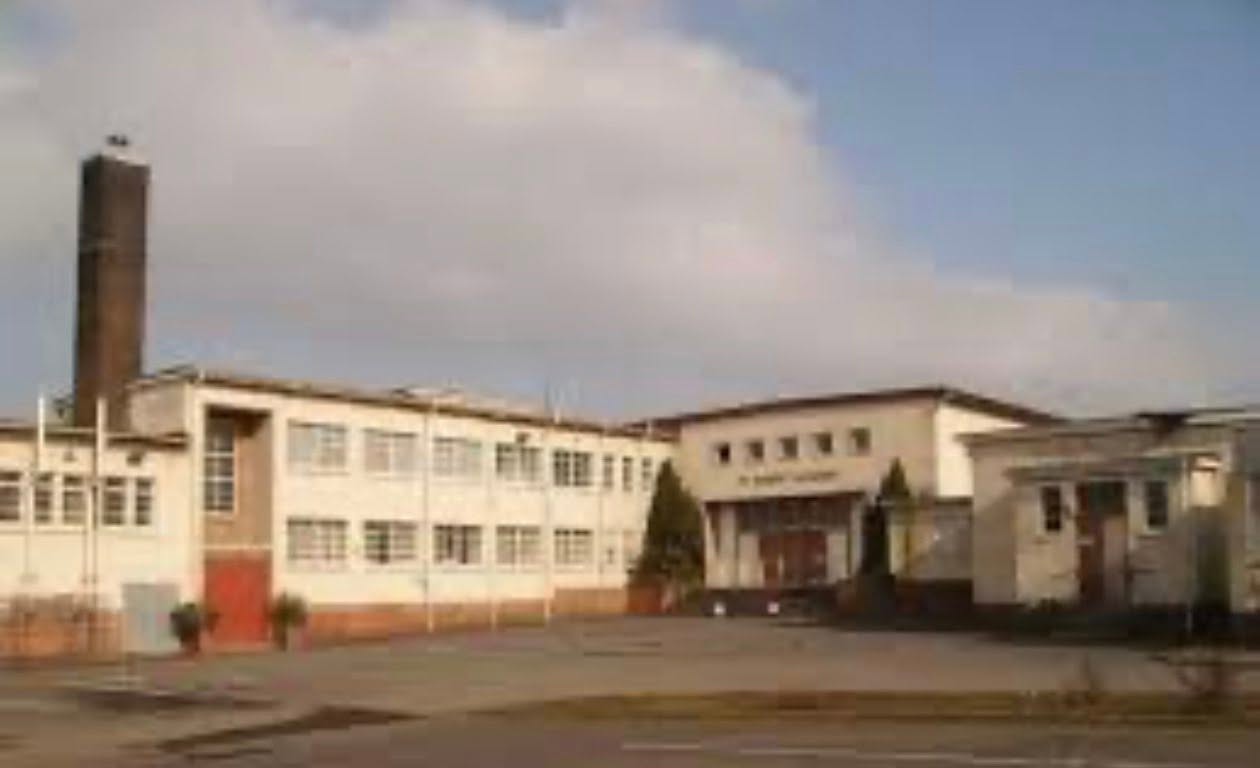
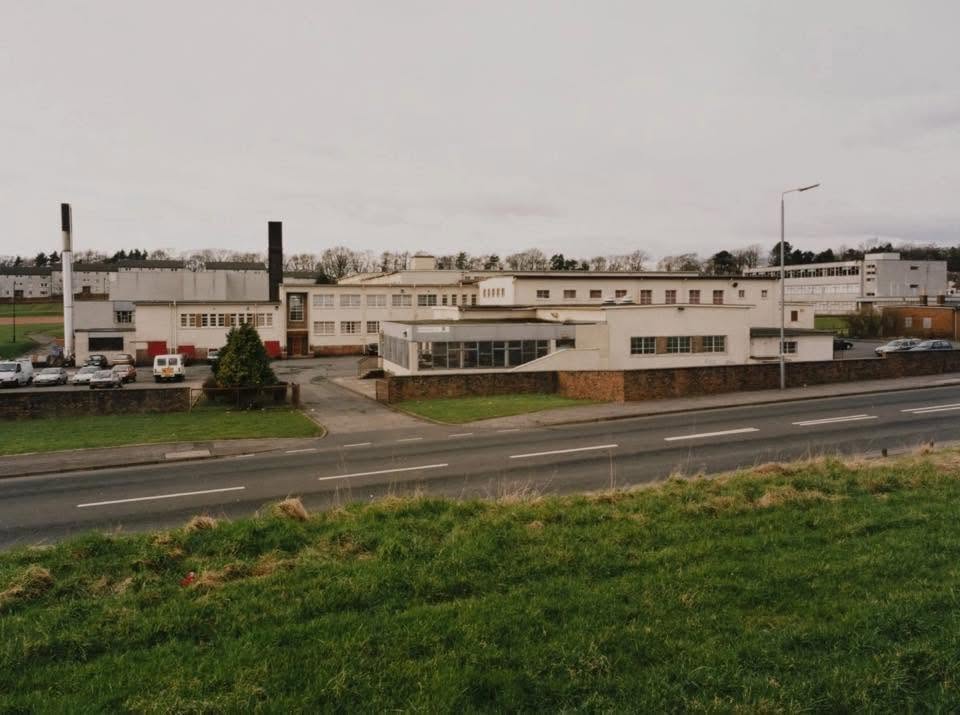
Did you know the school’s roots date all the way back to 1902, originally based on Elmbank Avenue? It later moved to Grassyards Road in 1955, where a brand new campus was built on what was then the outskirts of the town. The 1955 site featured a two-storey main building along with extensive sports facilities, including a red blaze hockey pitch, running tracks, and four grass football pitches – a major investment in education and community life at the time. This move also marked a key change, with secondary education transferring to the new campus, while the primary department remained at Elmbank Avenue and became St Columba’s RC Primary School. Over the years, the school continued to evolve – including a major expansion in 1972 with new technical and science blocks. It later welcomed pupils from across East Ayrshire, saw the closure of its Cumnock campus in 2004, and eventually the original site was demolished to make way for the modern campus that opened in 2008.
More recently, it celebrated its 70th anniversary at the Grassyards Road site in 2025 – a fantastic milestone in its long history.
For generations of local residents, St Joseph’s Academy isn’t just a school it’s a place full of memories, friendships, and milestones.